This could be the one thing your body’s been asking for.
2025-07-13 · Gaurav Sharma · the self
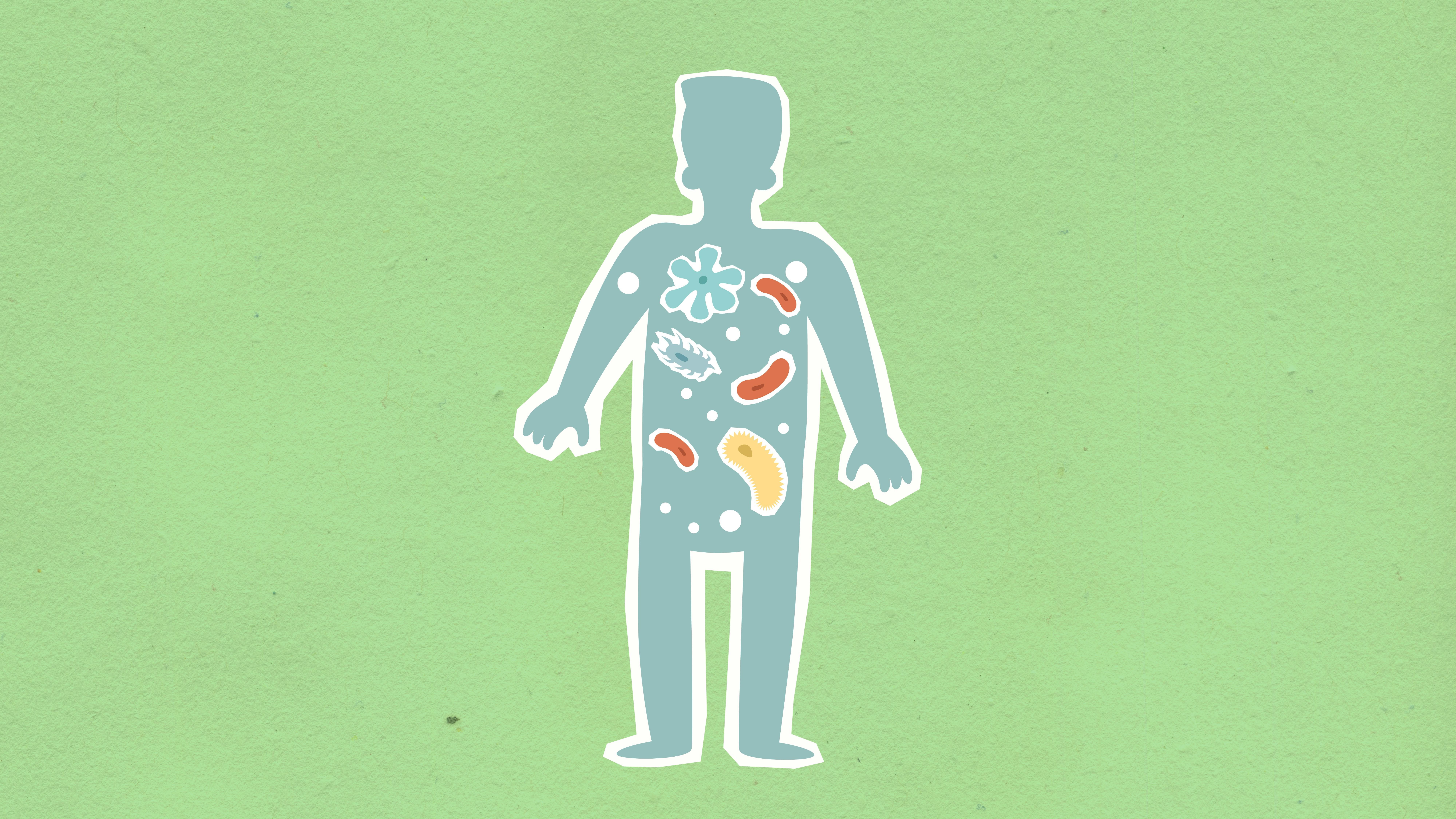
Inside your gut, skin, and even lungs, there’s a whole world of tiny microbes working quietly behind the scenes. They help digest your food, support your immune system, balance your hormones, and even affect your mood. This incredible community, called the microbiome, plays a huge role in your overall health. It influences everything from inflammation and metabolism to anxiety and how well you sleep.
In this article, I want to help you get to know your microbiome better—so you can start making simple, mindful choices to support your body and tune into what’s really going on inside. Taking care of your inner ecosystem might just be one of the most powerful things you can do for your health—inside and out.
Meet Your Microbiome
According to the National Institute of Environmental Health Sciences
"The microbiome is the collection of all microbes, such as bacteria, fungi, viruses, and their genes, that naturally live on our bodies and inside us. Although microbes require a microscope to see them, they contribute to human health and wellness in many ways."
What is gut microbiome
A Gut Microbiome is
A biome is a distinct ecosystem characterised by its environment and its inhabitants. Your gut — inside your intestines — is in fact a miniature biome, populated by trillions of microscopic organisms. These microorganisms include over a thousand species of bacteria, viruses, fungi and parasites.
Everyone has got a very unique set of Microbiome. Infants inherit their first gut microbiome during vaginal delivery and breastfeeding. Not only this, If during delivery the baby’s face is towards mother anus, it gets a very unique set of gut microbiome from there as well.
The microbiome establishes a relationship with their us, i.e. us. We provide food to them as host and they in return keep our bodily functions in check. One of their core responsibility is keeping the bad bacteria, fungus and viruses in check.
How Your Microbiome Affects Your Health
You might not need to get familiar with intricacies of how it works scientifically and know all the fancy scientific terminologies of it but knowing how it works logically in layman terms is going to help you to understand your microbiome a little more better. It is all about knowing how it works and know it enough so that you can make conscious decisions about it.
Digestion and Nutrition Absorption
When we think of digestion, we usually picture our stomach and intestines breaking down food. But what many people don’t realise is that your gut microbiome plays a starring role in this process—especially when it comes to digesting foods your body can’t handle on its own. Gut bacteria is responsible for producing enzymes that helps in breaking down carbohydrates. 90% of nutrients absorption happen in small intestine before it enters large intestine, Thanks to the bacteria constituting our microbiome. They also play a crucial role in synthesising vitamins, like vitamin K and some B vitamins, which are vital for various bodily functions. Without these microbes:
- You’d struggle to get nutrients from plant-based foods.
- Your gut lining would weaken over time.
- Toxins and undigested waste might cause bloating, gas, or inflammation.
So essentially, your microbiome turns food into fuel, not just for you but also for itself, creating a mutually beneficial relationship.
Some microbes even produce essential vitamins like vitamin B12, K2, biotin, and folate, making your gut almost like a mini vitamin factory.
Immune system development and regulation
Did you know that over 70% of your immune system lives in your gut?
That’s right—your gut isn’t just digesting food, it’s also acting as a command centre for your immune defences, and your microbiome is the intelligence network behind it all. The organism in microbiome plays a crucial role in training our immune system to differentiate between the harmful pathogens and good bacteria. This helps us immune system to identity and fight against such pathogens before they get into our nervous system. You can see microbiome organism as trainers for our immune system.
Bonus Content
Have you ever heard about food allergies, even for foods that are safe for consumption? That’s your disrupted and imbalanced microbiome causing your immune system to overreact to certain food elements.
Your gut microbiome plays a big role in teaching your immune system what’s harmful and what’s not. When your microbiome is out of balance, your body can mistakenly attack harmless foods, leading to allergies and intolerances.
Researchers have found that people with food allergies often have less diverse gut bacteria—especially missing the microbes that help build tolerance to things like nuts, dairy, and eggs.
So, keeping your gut healthy might not just help with digestion—it could actually reduce your chances of developing food allergies.
Your gut lining is like a border wall, and your microbes are the security team.
They help:
- Train your immune cells to distinguish between “friend” and “foe”
- Prevent bad bacteria and toxins from sneaking into your bloodstream
- Calm down unnecessary inflammation when your body is overreacting (Tackling food poisoning)
Mental health and mood (The gut-brain axis)
 Stanford.edu
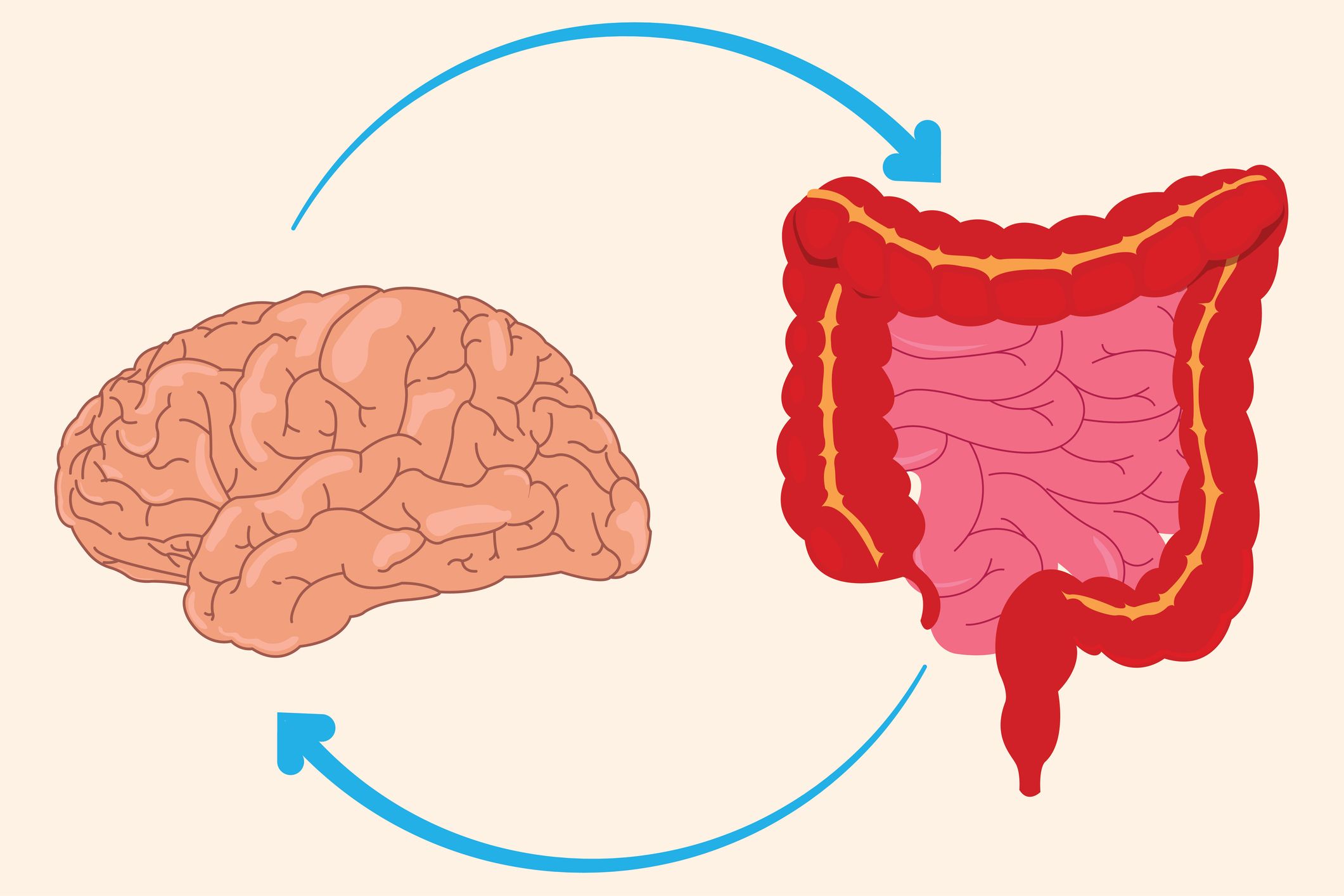
Gut microbiome plays a vital role in cognitive functions of our brain. Gut microbiome communicates with our brain through nervous system. There is a term called gut-brain axis, that refers to the bidirectional communication network between gastrointestinal tract and nervous system. The gut also contains the largest number of neurons outside the brain of any structure in the body - more than 100 million neurons line the human digestive tract. These cells makes up what is know as enteric nervous system, which some scientists refer to as the "second brain".
Stanford.edu
Gut microbiome plays a vital role in cognitive functions of our brain. Gut microbiome communicates with our brain through nervous system. There is a term called gut-brain axis, that refers to the bidirectional communication network between gastrointestinal tract and nervous system. The gut also contains the largest number of neurons outside the brain of any structure in the body - more than 100 million neurons line the human digestive tract. These cells makes up what is know as enteric nervous system, which some scientists refer to as the "second brain".
This system not only keeps the gut working, but plays a central role in health and disease and perhaps even in our experience of the mind.”
Julia Kaltschmidt, Associate Professor of Neurosurgery
Due to this direct linkage of our microbiome with our cognitive function, The recent studies have found out that how to manage our stress, how we feel and how we respond is is also very much influenced by it. Recent studies have showed that many probiotic strains which are good gut bacteria have potential to be useful in the treatment of central nervous system disorders. Studies have found that the gut microbiome can impact brain development in surprising ways. For example, mice without any gut microbes show increased neuron growth in the hippocampus, the brain region crucial for learning and memory. Gut microbes also seem to play a role in the maturation of the brain’s immune cells and the regulation of genes involved in myelin production and synaptic function.
You’ve probably felt butterflies in your stomach when nervous or “gut feelings” when something doesn’t feel right. That’s not just a metaphor — your gut and brain are deeply connected, and your microbiome plays a big role in that connection.
Your gut and brain constantly “talk” to each other through a system called the gut-brain axis, which involves nerves, hormones, and even chemical messengers like serotonin.
Bonus Content
About 90% of your body’s serotonin — the “feel-good” chemical — is made in the gut, not the brain. And it’s your gut bacteria that help regulate its production.
An unhealthy microbiome can:
- Disrupt serotonin production
- Increase stress hormones like cortisol (This causes sleep disorders. )
- Promote inflammation that affects the brain.
This may lead to symptoms like:
- Brain fog
- Mood swings
- Anxiety (Due to excess Cortisol and pumped stress levels.)
- Depression-like feelings. (Decreases Serotonin.)
Your gut bacteria don’t just digest your food — they help digest your emotions too.
Energy & Metabolism
Ever feel sluggish even after a full night’s sleep? Or gain weight even though your diet hasn’t changed much? The problem might not be you—it could be your gut microbiome.
Your microbiome doesn’t just help digest food—it actually influences how efficiently your body turns food into energy, how it stores fat, and how well your metabolism runs.
Your gut bacteria break down fibers which your body uses for energy. Regulates blood sugar levels helping to prevent energy clashes and Influences hormones that controls hunger and fat storage, like insulin, leptin and ghrelin.
When you microbiome is diverse, your body becomes better at extracting energy efficiently from foods, keeping blood sugar stable and managing hunger and cravings
An imbalance microbe can slow down metabolism, increase fat storage, causing sugar cravings and energy crashes and makes it harder to lose weight event with effort.
In fact, some studies suggest that certain bacteria are more common in lean people, while others are linked to obesity and poor metabolic health.
Skin & Hormones
They say beauty comes from within—and when it comes to your skin and hormones, that’s more than just a feel-good quote. Your gut microbiome plays a powerful role in keeping your skin clear and your hormones balanced.
Your skin is often a mirror of what’s happening inside your gut. When your microbiome is in balance, it helps reduce systematic inflammation, strengthen your skin barrier, prevents breakouts, redness and irritation. When gut is imbalanced, it can trigger acne, eczema, dryness, dullness and irritation. Heard when someone says "To clear your skin you ought to clear your blood.". Ever wondered what can prevent toxins to enter your bloodstream? Any Guess? Yes, Your microbiome. We have already discussed about this in Immune system development and regulation.
A glowing complexion and balanced hormones don’t start with creams or supplements—they start with what you feed your gut.
Signs Your Gut Microbiome Might Be Out of Balance
Your body is always sending signals—and your gut is no exception. When your microbiome is out of balance (a condition known as dysbiosis), it can show up in ways you might not immediately link to your gut.
Digestive issues
 Woman experiencing stomach issues
Bloating, gas, constipation or diarrhoea. Heartburn or discomfort after meals. Food intolerances or Food allergies.
Brain fog and mood swings
Trouble concentrating or staying mentally sharp. Feeling low, anxious or moody without a clear reason.
Low energy and sleep problems
Fatigue even after resting, Difficulty falling or staying asleep, Feeling tired all the times.
Cravings for sugar or carbs
Intense urges for sweets or processed foods. Feeling hungry and angry when you skip a meal.
Skin issues
Acne, eczema or dry, irritated skin. Skin issues that do not respond well to skincare products.
Weakened Immunity
 Woman experiencing frequent cold and flu due to weak immunity
Frequent cold or infections, slow healing from wounds or sickness.
Unexplained weight changes
Difficulty loosing or gaining weight. Weight fluctuations without major changes in diet.
The Microbiome is Personal—So Listen to Your Body
Every person’s microbiome is as unique as their fingerprint. What works for one person might not work exactly the same for you—and that’s perfectly okay!
Why your microbiome is personal?
- Your genetics
- Your diet and lifestyle
- Your diet and lifestyle (Which includes country you live in and even neighbourhood)
- Past medications like antibiotics
- Stress levels and sleep quality All these shape the types and balance of microbes living inside you.
What does this mean for you?
- Pay attention to how your body reacts to different foods and habits
- Notice when you feel your best or worst — it’s a clue to what your gut needs.
- Don’t expect instant fixes; restoring gut health is a journey.
What can you start doing from today to fix your gut microbiome
Here’s a simple, universal starter list you can recommend to everyone to begin nurturing their gut microbiome—easy, practical, and backed by science:
"Always Be Counting" your vegetables (ABC)
The idea of "Always Be Counting" your vegetables, specifically aiming for 20-30 different types per week, is a strategy to promote a diverse gut microbiome, according to a dietitian from thelifestyledietitian.com. This approach, which is also highlighted in the Netflix documentary "Hack Your Health," encourages eating a wide variety of fruits and vegetables to feed the beneficial bacteria in your gut. The more diverse the vegetable, the more diverse the microbiome.Our ancestors were right, "Don’t be picky. Eat everything."
Fermented Foods
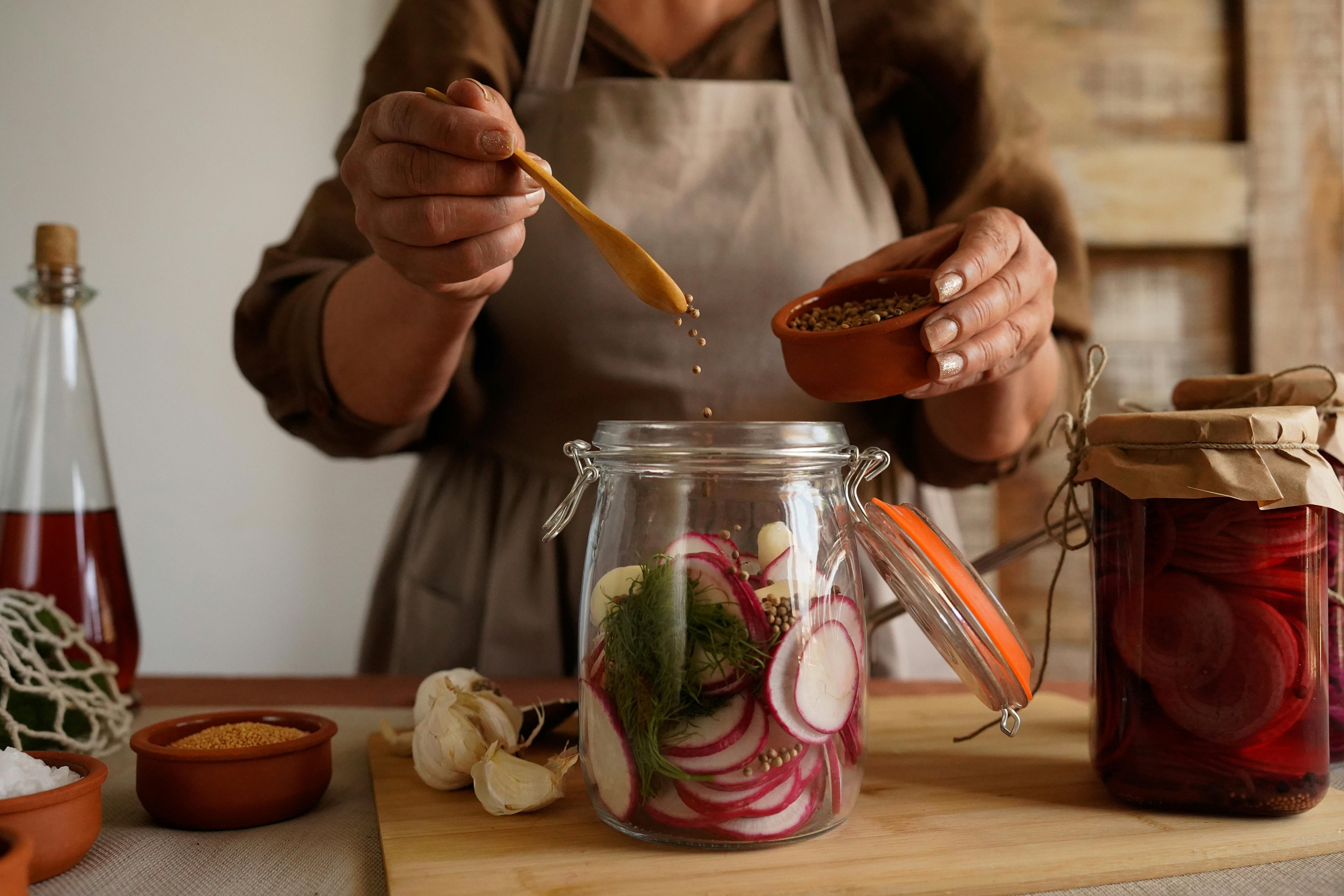 Include natural probiotics like yogurt, kefir, sauerkraut, kimchi, or kombucha. These introduce beneficial bacteria directly to your gut .Fermentation is a natural process where beneficial bacteria or yeasts break down sugars and starches in food, turning them into acids or alcohol. This not only preserves the food but also creates a living community of probiotics—the “good” microbes that can boost your gut health. Fermented foods are like delivery vehicles for beneficial microbes. Eating them adds more friendly bacteria to your gut, helping to balance your microbial community.
Cut Back on Processed Foods and Added Sugars
 Added sugars and refined carbs provide fuel for harmful bacteria and yeast in your gut, encouraging them to multiply and crowd out the good microbes. A diet high in processed foods tends to be low in fiber and nutrients, starving the beneficial bacteria that keep your gut ecosystem balanced. High intake of processed foods and added sugars can disrupt the intestinal barrier, making it more permeable ("leaky gut"). This allows bacteria and their byproducts to enter the bloodstream, potentially triggering inflammation and other health problems. Processed foods often lack the diverse range of nutrients found in whole, unprocessed foods. This can lead to a reduction in the overall diversity of the gut microbiome, which is generally considered a sign of a less healthy gut.
Stop Alcohol, TODAY
Alcohol consumption can significantly impact the gut microbiome, potentially leading to dysbiosis, an imbalance between beneficial and harmful bacteria. This dysbiosis can contribute to various health issues, including inflammation, liver damage, and even changes in brain function. Alcohol can weaken the gut lining, making it more permeable and allowing bacteria and toxins to enter the bloodstream, potentially affecting the liver.
Whole Foods over anything else
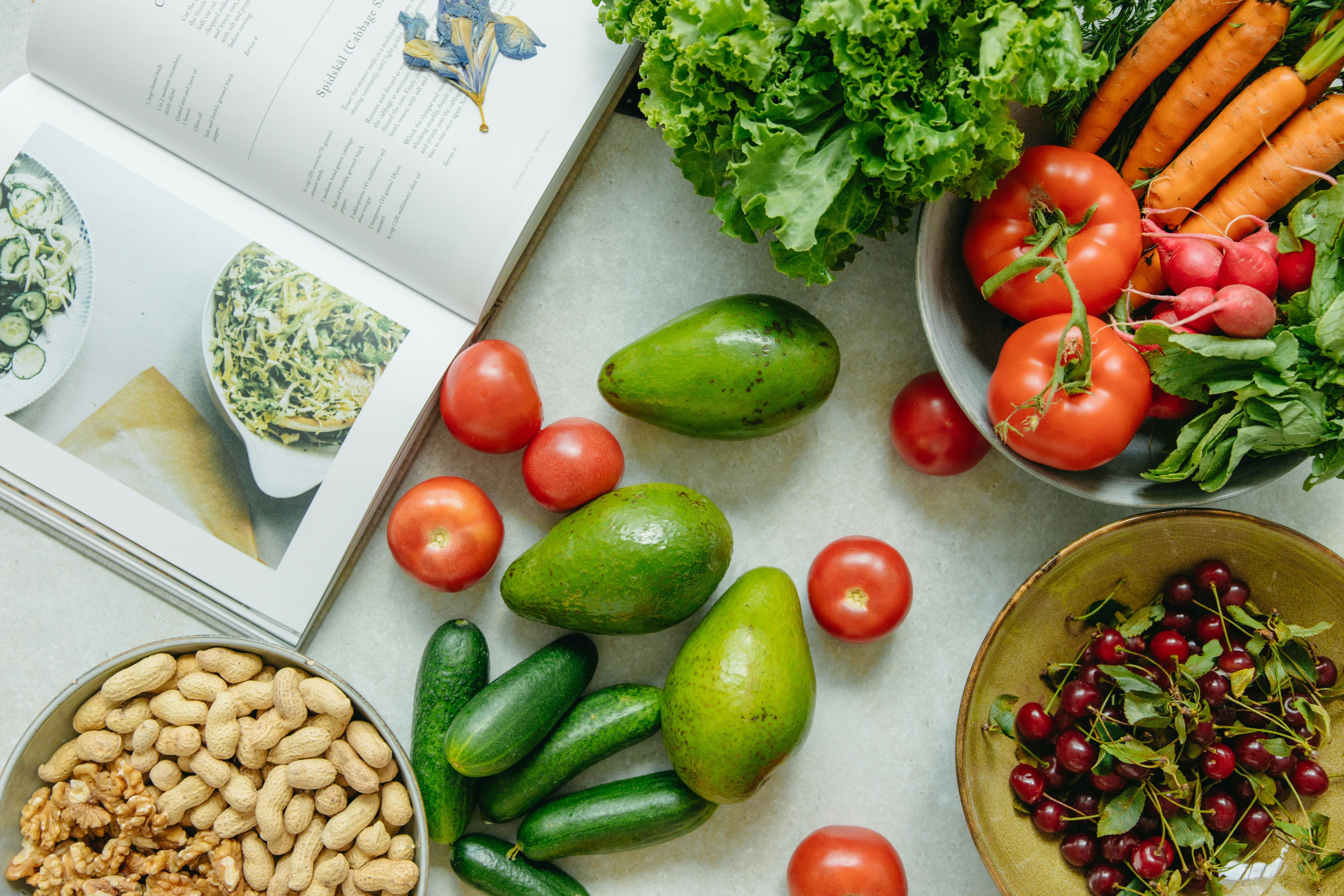 Whole foods are foods that are minimally processed and as close to their natural form as possible—think fresh fruits, vegetables, whole grains, nuts, seeds, beans, and lean proteins.
Eating whole foods is one of the best ways to support a healthy gut microbiome because they are
- Rich in Fiber.
- Packed with Nutrients.
- Free for additives.
- Promote microbial diversity.
Prebiotics and Probiotics
Key players to keep microbiome happy but lets understand what they are
What are Probiotics? Probiotics are live beneficial bacteria that you can add to your gut by eating certain fermented foods or supplements. They help restore balance by increasing the number of good microbes.
Examples of probiotic-rich foods:
- Yogurt
- Kefir
- Sauerkraut
- Kimchi
- Miso
- Kombucha
Probiotics add good bacteria to your gut.
What Are Prebiotics? Prebiotics are types of fiber that your body can’t digest—but your good gut bacteria love to eat! Think of prebiotics as the food that fuels your probiotics and helps them grow.
Examples of prebiotic-rich foods:
- Garlic
- Onions
- Leeks
- Asparagus
- Bananas
- Oats
- Chicory root
- Jerusalem artichoke
Prebiotics feed those good bacteria and help them flourish.
Endnote
Think of your microbiome as this tiny universe inside you—completely unique, always changing, and connected to every part of your health. When you start taking care of it with simple, mindful habits, you’re not just feeding bacteria—you’re helping your body and mind work better.
So, start small, stay curious, and remember:
Healing really does start from within. Your gut is the gateway to your wellbeing.
Let’s honour that inner ecosystem—because when your microbiome is healthy, you feel healthier too.